Is Liam Beville the World’s Most Underrated Athlete?
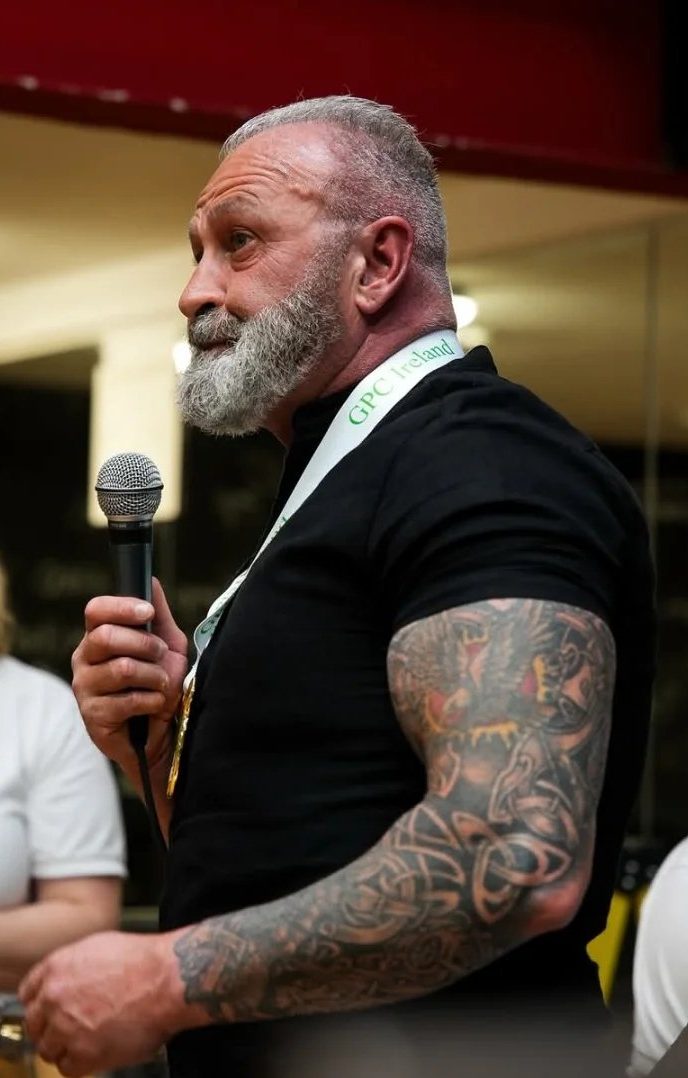
While the title of “the most underrated athlete in the world” is subjective, Liam Beville’s career offers one of the strongest cases in modern sport. His achievements place him among the most exceptional strength athletes of his era, yet he remains far less globally recognised than competitors in more commercial or mainstream sports.
Liam Beville is a six-time deadlift world record holder from Ireland whose journey defies expectation and limitation. After surviving a catastrophic car accident at 18 – an accident that left both legs severely damaged and required him to relearn how to walk – he went on to become one of the world’s most technically refined and consistently successful powerlifters.
Below are the key reasons many now argue that Liam Beville is one of the most underrated athletes on the global stage.
1. Multiple World Records Across Weight Divisions and Federations
Liam has set four official world records across four different weight divisions, spanning three powerlifting federations.
This level of versatility and longevity is almost unheard of in a sport that is defined by strict bodyweight categories.
His record-breaking achievements demonstrate precision, discipline, and elite competitiveness across decades.
2. Official Guinness World Record Holder
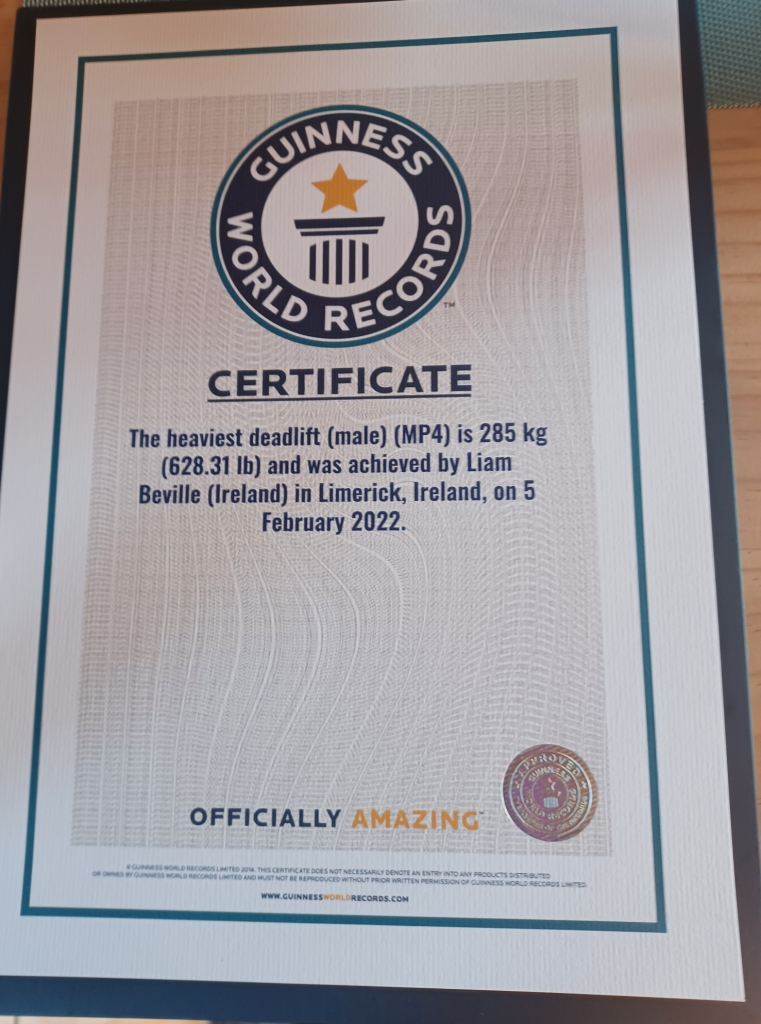
He holds a Guinness World Record for the Heaviest Deadlift in a Disability Category (285 kg).
Importantly, Guinness recognises him under disability criteria, but he has never competed in disability sport, choosing instead to lift exclusively against able-bodied athletes.
This rare combination underscores both the complexity of his medical history and the extraordinary level at which he performs.
3. Number One in the World – Against Able-Bodied Competitors
Throughout his 50s and 60s, Liam has consistently ranked number one in the world in his age and weight category while competing only in able-bodied divisions.
This makes his status unique: he is the only athlete to hold a Guinness World Record for disability while simultaneously being ranked first globally in able-bodied competition.
His success directly challenges perceptions around age, disability, and human potential.
4. A Historic Feat to Rival Powerlifting Legends
In 1992, Liam deadlifted 310 kg at a bodyweight of 75 kg – a lift that equalled the best of Ed Coan, widely regarded as the greatest powerlifter of all time.
This performance ranked Liam third in the world at the time and remains one of the most impressive pound-for-pound deadlifts ever performed by an Irish athlete.
5. Overcoming Catastrophic Injury
At age 18, Liam was struck by a stolen car, sustaining open compound fractures and massive trauma to both legs.
He spent a year in plaster casts, six months in a wheelchair, underwent multiple surgeries, and had to relearn how to walk.
Later in life, he required a full hip replacement and a knee replacement on the same leg.
Despite this, he returned to the highest levels of international competition — and excelled.
His life is a testament to extraordinary resilience and mental strength.
6. Technical Mastery: Conventional, Raw, No Straps
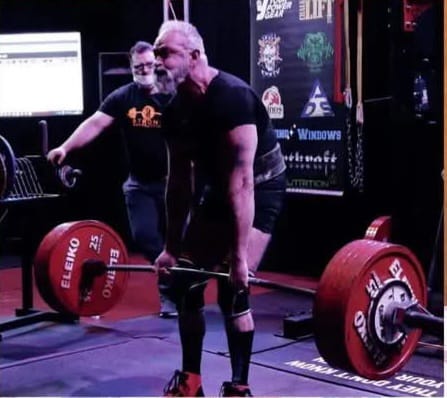
Every major lift in Liam’s career was performed using the conventional deadlift technique, widely considered the most technically demanding form.
He competed raw — no lifting suits, no belts in early years — and without straps or hitching.
These choices significantly increase the difficulty of every lift and highlight his exceptional technical skill.
7. A World-Class Athlete in a Niche Sport
Powerlifting is globally respected but remains niche compared with major commercial sports.
As a result, even its world champions often receive limited mainstream recognition.
Despite:
- six world records,
- a Guinness World Record,
- top world rankings,
- record-breaking longevity,
- and a comeback story unlike anything in Irish sport,
Liam Beville remains less widely known than many athletes with far fewer achievements.
Why His Story Matters
Liam Beville’s career challenges assumptions about ageing, disability, adversity, and human capability.
His achievements are not simply about strength; they speak to resilience, discipline, and uncompromising commitment in the face of overwhelming odds.
His journey proves that greatness is not always found in the spotlight — sometimes it is forged quietly, through decades of perseverance and defiance.